Can AI Really Clean Up Your Books? Here's What Still Needs a Human Eye
![[HERO] Can AI Really Clean Up Your Books? Here's What Still Needs a Human Eye](https://cdn.marblism.com/9ltkgbPn7HA.webp)
You've seen the ads. They're everywhere right now, sleek graphics promising "AI-powered bookkeeping that does everything for you" or "automated books in minutes, not hours." The pitch is tempting: upload your transactions, let the robots sort it out, and boom, your books are clean.
I need to tell you what nobody in those flashy ads is mentioning.
The Story Everyone's Living Right Now
Meet Sarah. She runs a small marketing agency here in Charlotte, three employees, decent revenue, the usual mix of clients and projects. Last spring, she signed up for one of those AI bookkeeping platforms after seeing it advertised during her fourth straight weekend of trying to categorize expenses in QuickBooks.
The first month looked great. The AI sorted her transactions lightning-fast. Everything had a category. The reports looked professional. Sarah thought she'd found the holy grail of business tools.
Fast forward to October when her CPA called asking about some "concerning patterns" in her books. Turns out the AI had been categorizing her subcontractor payments as "office supplies" for six months. It also split a single equipment purchase across three different asset categories because the vendor charged her card in installments. And those client retainers? Half were recorded as income immediately instead of deferred revenue.

Sarah's tax prep bill doubled that year, not because her CPA charged more, but because someone (a human) had to go back and untangle what the AI had confidently classified as "correct."
What AI Actually Does Well
Let's be fair to the robots. AI bookkeeping tools aren't completely useless. They're actually pretty good at specific tasks:
Pattern Recognition on Simple Stuff
If you buy the same coffee every Tuesday morning at the same shop, AI will learn that pattern and categorize it automatically. Recurring subscriptions, regular vendor payments, standard payroll, these repetitive transactions are AI's sweet spot.
Speed on Volume
Got 500 transactions this month? AI can sort through them in seconds, not hours. That's genuinely helpful, especially if most of your transactions are straightforward.
Basic Rules Application
AI can follow the rules you set. "All transactions from this vendor go to Office Supplies." "Anything under $50 from Amazon is Supplies, over $50 is Equipment." It'll apply those rules consistently.
Fraud Detection
Some AI tools are actually good at flagging unusual patterns that might indicate duplicate charges or suspicious transactions.
Where AI Falls Apart (And Why You Still Need a Human)
Here's where things get messy. AI doesn't understand context, and bookkeeping is about 70% context.
Split Transactions and Multi-Purpose Purchases
You go to Costco and buy office supplies, snacks for the break room, and a new monitor. One receipt, three categories. AI sees one transaction from Costco and picks whichever category you've used most often for that vendor. A human looks at the receipt and splits it correctly.
Revenue Recognition Timing
This is where I see the biggest problems. Your client pays you $6,000 upfront for a six-month project. Is that all income today? Or should $1,000 hit your P&L each month as you deliver the service? AI doesn't know your service agreement terms. It just sees money coming in and records it as income.
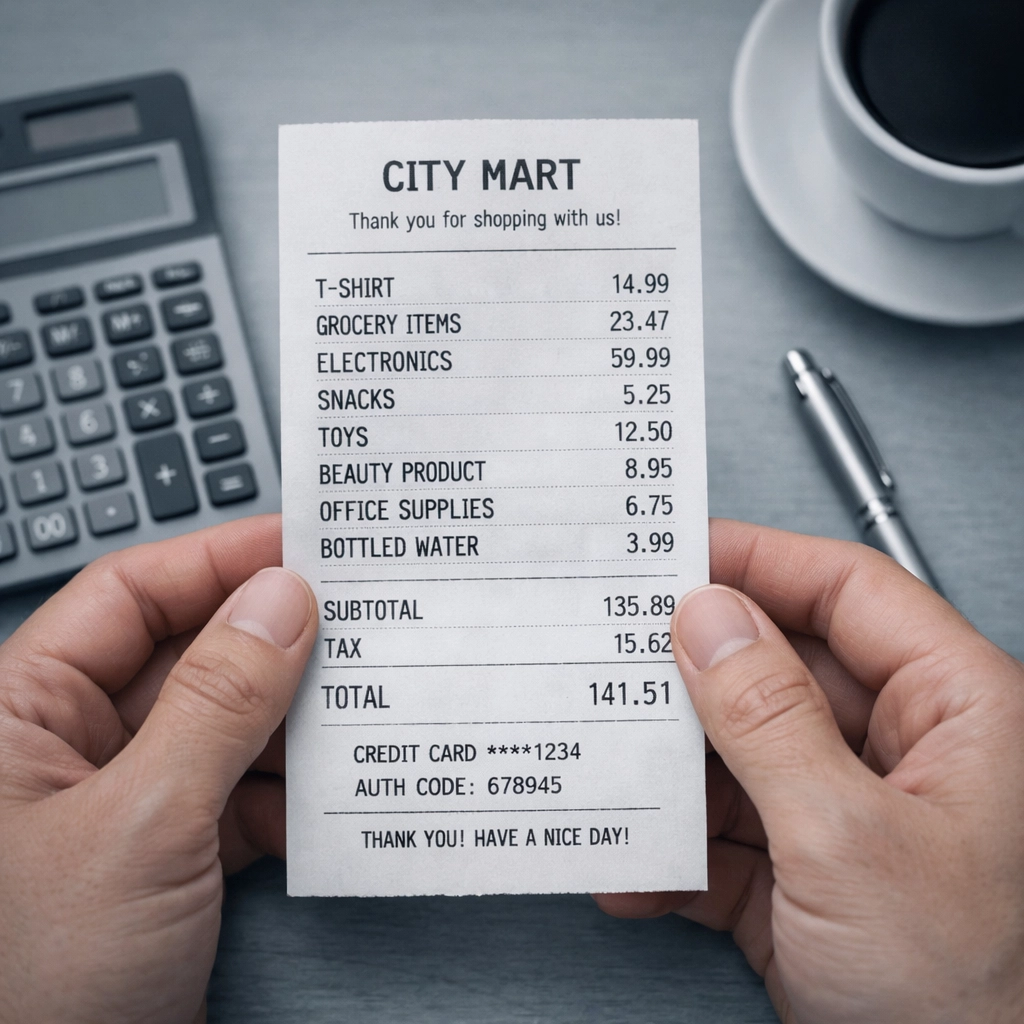
A human bookkeeper reads your contracts, understands your business model, and records it the way it's supposed to be recorded, not just the way it looks on the surface.
Industry-Specific Nuances
Construction companies have retention, job costing, and progress billing. Restaurants have complex inventory and tip allocation. Professional services have billable hours and reimbursable expenses. Every industry has its quirks. AI uses generic categorization that works for nobody and everybody at the same time, which means it's not really working for you.
The "Technically Correct but Actually Wrong" Problem
This one drives me crazy. AI sees a $5,000 charge from a law firm and categorizes it as "Legal Fees." Sounds right, doesn't it? Except that charge was actually for legal work related to acquiring another business, which means it should be capitalized as part of the acquisition cost, not expensed. Both are legal fees, but the accounting treatment is completely different.
An AI doesn't understand the why behind the transaction. It just sees the vendor name and makes its best guess.
Cleanup and Historical Correction
Let's say you're trying to clean up books from last year that were neglected or done wrong. AI can't interview you about what was happening in your business at that time. It can't ask, "Hey, was this really a loan from the owner or did you actually invest more equity in the business?" It can't untangle personal expenses from business expenses when you were using the same account for both.
Cleaning up books requires investigation, judgment calls, and understanding the full picture. That's human work.
What Those Ads Aren't Telling You
The AI bookkeeping ads make it sound like you're getting full-service bookkeeping. What you're actually getting is automated categorization with nobody checking if the categorization makes sense for your specific situation.
It's like having spell-check without a proofreader. Sure, every word might be spelled correctly, but that doesn't mean your sentence makes sense.

Most of these platforms also have a buried disclaimer: "Review all categorizations before finalizing." But how many business owners actually know enough about bookkeeping to spot the errors? You're busy running your business. You assume the AI got it right because, well, it's AI.
Why We Don't Rely on AI Alone
At Hicks Bookkeeping Charlotte, we keep it simple: bookkeeping plain and simple, with a personal touch. That means human eyes on your books, every single month.
Do we use technology? Of course. We're not doing everything by hand like it's 1987. But we use tools that help us work faster: not tools that replace our judgment.
When we categorize your transactions, we're thinking about your business model, your tax situation, your cash flow needs, and how the numbers will look to your CPA or a potential lender. We're asking questions when something doesn't make sense. We're catching things before they become problems.
That client retainer that came in? We know you don't recognize that as income until you deliver the service. That equipment purchase on your personal card that you'll reimburse yourself for? We track it correctly instead of creating a mess in your equity accounts. Those subcontractor payments? We make sure they're coded right so your 1099s are accurate.
The Bottom Line
AI can be a helpful tool in bookkeeping. It can speed up data entry, spot patterns, and handle repetitive tasks. But it can't replace the strategic thinking, context understanding, and judgment that comes from a human who actually knows your business.
If you're seeing all those ads and wondering if AI bookkeeping is right for you, ask yourself this: Do you want your books done fast, or do you want them done right?
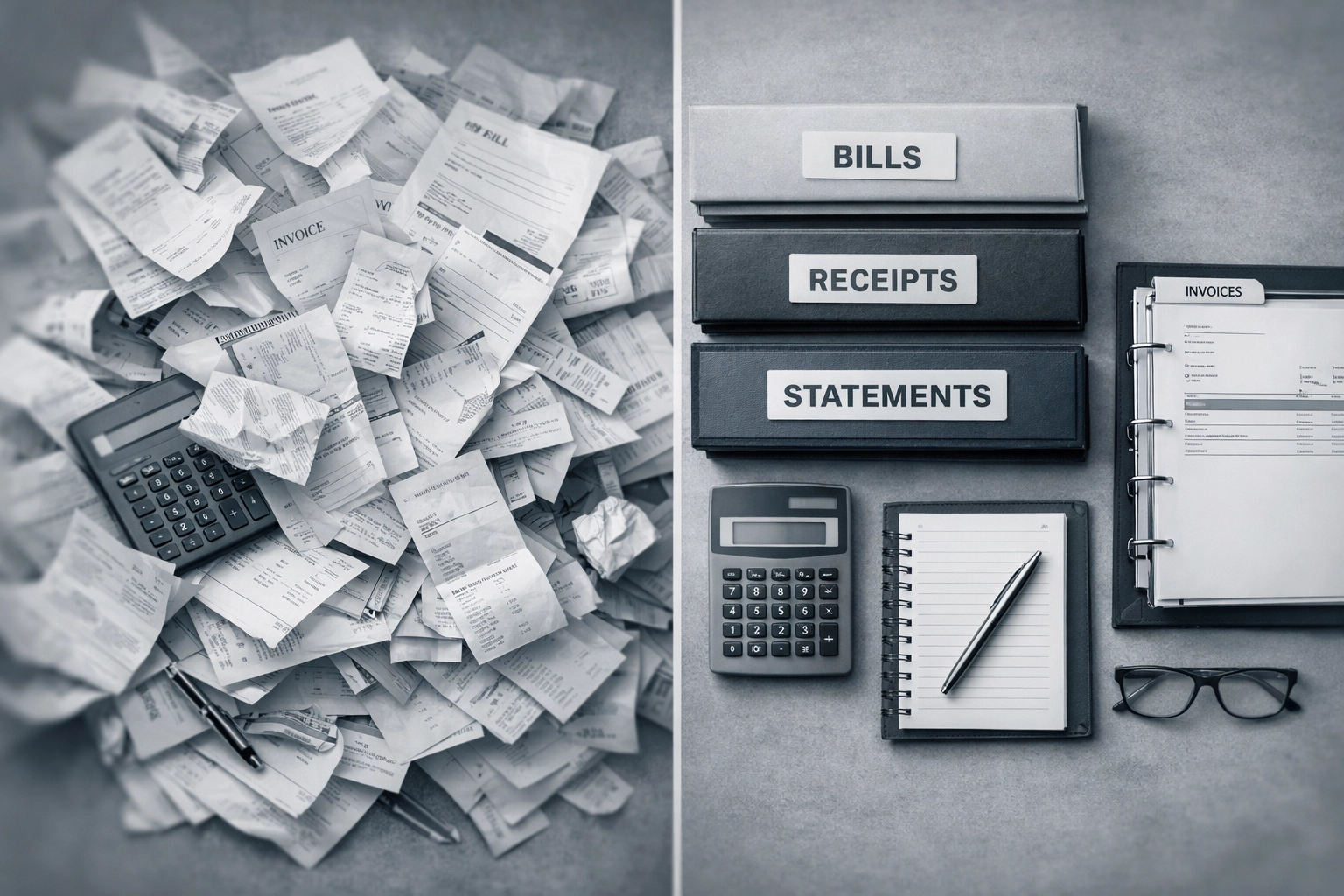
Because when tax season rolls around, or when you're applying for a loan, or when you're trying to figure out if you can actually afford that new hire: that's when you'll find out whether your books are actually useful or just technically categorized.
I expect to see too many Charlotte business owners come to us after trying the "AI does everything" approach, and honestly, it takes us longer to clean up an AI mess than it would've taken to just do it right from the start.
Your business deserves better than guesswork in a pretty interface. It deserves someone who understands what those numbers actually mean.
That's the human touch those ads can't automate.
Need someone to actually look at your books? We're not AI, and we're proud of it. Reach out and let's talk about what real bookkeeping looks like for your business.
